
Peek Cambodia No Peek: When Apply?
Timing the peek in Cambodian table games is not a soft skill — it is a hard mechanical trigger tied to the dealer's hand trajectory and the cut-card position. Get the window wrong by half a second and you have handed the house a free edge on every single round. This is where Peek Cambodia No Peek strategy either makes you lethal or makes you a donor.
The peek mechanism exists for one brutal reason: to kill dealer blackjack before players commit additional capital. In Cambodia's licensed floors, the no-peek variant removes that safety net entirely. The dealer takes the hole card, players act, and only then is the down card exposed. That structural difference is not cosmetic — it rewrites the entire risk equation.
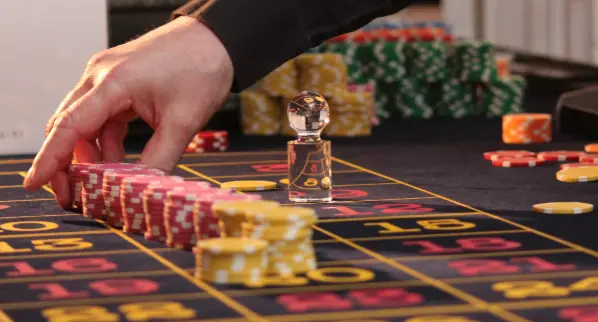
Why the Dealer Peek Timing Window Is Non-Negotiable
The peek applies the instant the dealer's upcard lands on ten-value or ace territory. Under standard peek rules, the dealer checks the hole card before any player decision. Under no-peek rules, that check is deferred — sometimes until after all player hands are resolved. The consequence is savage: you can double and split into a dealer natural and lose the entire augmented wager instead of just the original bet.
Here is the mechanical reality most players never internalize. The peek decision point is bound to the upcard rank, not to the dealer's body language. Ace or ten showing means the hole card check fires immediately in peek games. In no-peek games, the check is suppressed, and the dealer proceeds to draw. Your entire betting ramp must account for this suppressed check or you are pricing risk with garbage data. 🎯
When to Apply Peek Logic Versus No-Peek Adjustments
Apply peek-based strategy exclusively when the table placard or the electronic display confirms a peek game. The moment you sit at a no-peek table, every basic strategy deviation tied to dealer naturals becomes invalid. Doubling on eleven against a dealer ace? In a peek game the dealer has already checked for blackjack, so your double is protected from the natural. In a no-peek game that same double is exposed to the full natural. That single distinction swings expected value by several percentage points per occurrence.
The practical trigger is simple and merciless: identify the variant before you place a single chip. Ask the pit boss directly, read the felt, or watch one shoe cycle. If the dealer never checks the hole card on an ace upcard, you are in no-peek territory and your deviation chart must be recalibrated on the spot. Half-measures here cost real money.
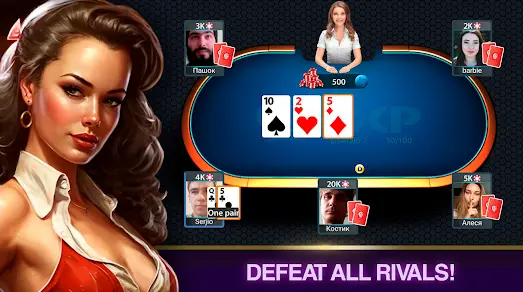
The Hole Card Exposure Timing Trap
Cambodian floors running no-peek rules create a specific exposure window where the dealer draws to seventeen or stands without ever verifying the natural. The audit angle is this: surveillance and shuffle tracking become more valuable because the hole card is effectively live longer. Sharp players exploit the deferred check by tracking high-card density in the shoe and adjusting the aggression of doubles and splits when tens are saturated.
Never assume the peek happened just because the dealer paused. Pauses are theater. The only reliable signal is the physical hole card check — the dealer sliding the down card under the upcard or using the peeking device. If that motion never occurs, the peek did not happen, and your augmented wagers carry full natural exposure. Treat every ambiguous dealer motion as a no-peek confirmation and size your bets accordingly. That paranoia is not a flaw; it is the edge.
Apply the peek assumption only after you have verified the game type, the shoe composition, and the dealer's actual check behavior across a full cycle. Anything less is guesswork dressed up as strategy, and the house will bill you for the difference.