
Deuces Wild Natural Royal: What Pays Most?
The natural royal flush in Deuces Wild is the single most mispriced hand in the entire video poker ecosystem, and anyone who treats a wild-card variant like a standard Jacks or Better machine is bleeding equity on every single deal. Here is the brutal truth: a natural royal flush — five cards, no deuces, ace through ten in suit — pays 4,000 coins on a max-coin bet in most Deuces Wild pay tables, while the identical hand completed with one or more deuces pays only 125 to 250 coins. That gap is not a rounding error. That is the entire profit model of the machine, and the casino is counting on you to ignore it.
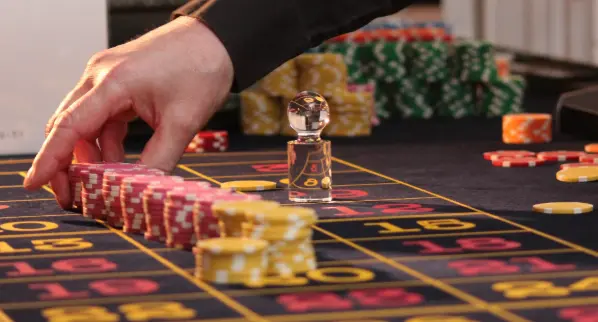
The Pay Table Geography That Decides Everything
Not all Deuces Wild variants treat the natural royal the same because the pay table structure shifts around it. On a full-pay 25/15/9/4/4/3 machine, the natural royal returns 4,000 coins while the four-deuce hand — the wild royal equivalent — pays just 25 coins per coin wagered at maximum. Compare that to a 20/12/10/4/4/3 "Illinois Deuces" schedule where the natural royal still sits at 4,000 but the four-deuce payout climbs to 1,000 coins, and you instantly see why pay table literacy is non-negotiable. The natural royal's relative value versus the four-deuce hand is the true benchmark of machine quality, not the flashy progressive jackpot signage dangling overhead.
Why the Four-Deuce Hand Is the Real Trap
Here is where the math gets nasty and the casual player gets gutted. When you hold four deuces, you are effectively locking in a guaranteed wild royal payout — typically 1,000 coins at max bet on a standard 25/15/9/4/4/3 schedule. But the player who breaks four deuces chasing a natural royal is making a catastrophic error in expected value terms on almost every pay table. The probability of drawing the natural royal from a four-deuce deal is virtually nonexistent because you already hold the deuces in hand — you cannot discard them and simultaneously draw a natural royal. That is a mathematical impossibility, not a gamble. The natural royal flush must arrive from a starting hand that contains zero deuces, and that distinction is the hardest concept for recreational players to internalize.

Expected Value: The Cold Numbers Behind the 4,000-Coin Payout
Run the simulation in your head. A natural royal flush occurs roughly once every 40,000 to 45,000 hands in Deuces Wild depending on the specific strategy employed — noticeably rarer than in Jacks or Better because four deuces are removed from the natural royal pool. At 4,000 coins per max-coin hit, the natural royal contributes roughly 0.09 to 0.10 coins per hand to overall return. That is less than one percent of total expected value, yet it represents nearly 100 percent of the emotional decision-making for undisciplined players. The four-deuce hand, by contrast, hits far more frequently and contributes a steadier EV stream. The Deuces Wild natural royal is a lottery ticket disguised as a skill hand, and the machine's RNG does not care how confident you feel.
Strategy Adjustments That Protect Your Bankroll
Never break a made wild royal to chase the natural version — that is the cardinal sin of Deuces Wild play. Always hold four deuces over any potential draw, even if the draw theoretically could produce a natural royal from the remaining cards. The only scenario where the natural royal chase makes sense is when you hold three cards to a royal with no deuces interfering and no made paying hand already secured. In that narrow window, the draw odds improve dramatically and the natural royal flush payout justifies the variance. Every other situation demands discipline: take the guaranteed wild royal, bank the 1,000 coins, and move to the next deal without regret.
The pay table is the machine's confession. Read it before you insert a single credit, and never let the 4,000-coin dream override the 1,000-coin reality sitting in your hand right now 🎰
Because the four-deuce hand at 1,000 coins on a 25/15/9/4/4/3 schedule returns a guaranteed minimum of 0.25 coins per hand dealt when held optimally across the full cycle, while the natural royal chase from that same position returns exactly zero additional EV per hand over the long run.